Two Years of Innovation and Impact: Project Achievements from 1.06.2023 to 31.05.2025.
Two years ago, we set out on an ambitious journey to test ideas, and bring together knowledge from across Europe. Today, we are excited to share that this journey has already taken us far. Step by step, our consortium has worked tirelessly — from laboratories to fields, from local workshops to international meetings — turning plans into tangible results. Together, we have achieved technological breakthroughs, made new scientific discoveries, and built strong international collaborations.
While we have already accomplished a great deal, this is only the halfway point. With three more years ahead of us, we are determined to continue our work, strengthen our results, and deliver even greater impact.

- Prototype installation: The construction and modernization of the prototype installation enabled the production of 95 tons of rock-cellulose pellets, close to the target of 100 tons.
- Capacity growth: In the first year, the production line capacity reached 200 kg/h. Through technical upgrades, this has now increased to 350 kg/h, moving closer to the ultimate goal of 500 kg/h.
- Resource processing: A total of 60 tons of cellulose waste and 35 tons of basalt powder have been successfully processed, turning by-products into sustainable solutions.
- HydroSoil production: 50 tons of impregnated wood chips were manufactured, creating a novel soil amendment tested under different environmental conditions.
Field Demonstrations
- Technology trials: Demonstrations were conducted on 10 hectares across six countries — Poland, Norway, Germany, Slovakia, France, and the Netherlands. These included agricultural lands, horticultural sites, and urban green spaces.
- Confirmed results: The trials showed increased microbial activity, improved water retention, higher organic matter content, and stabilization of soil pH. Laboratory analyses confirmed higher dehydrogenase activity, a key marker of microbial metabolism. Soil mesofauna populations also increased, strengthening soil biodiversity.


Scientific Cooperation
- New collaborations were launched with NIBIO (Norway) and LUKE (Finland).
- Active cooperation with another LIFE project, LIFECO2Sand, led to a joint networking meeting and a shared demonstration on sandy soils in Poland, fostering knowledge transfer and synergies.

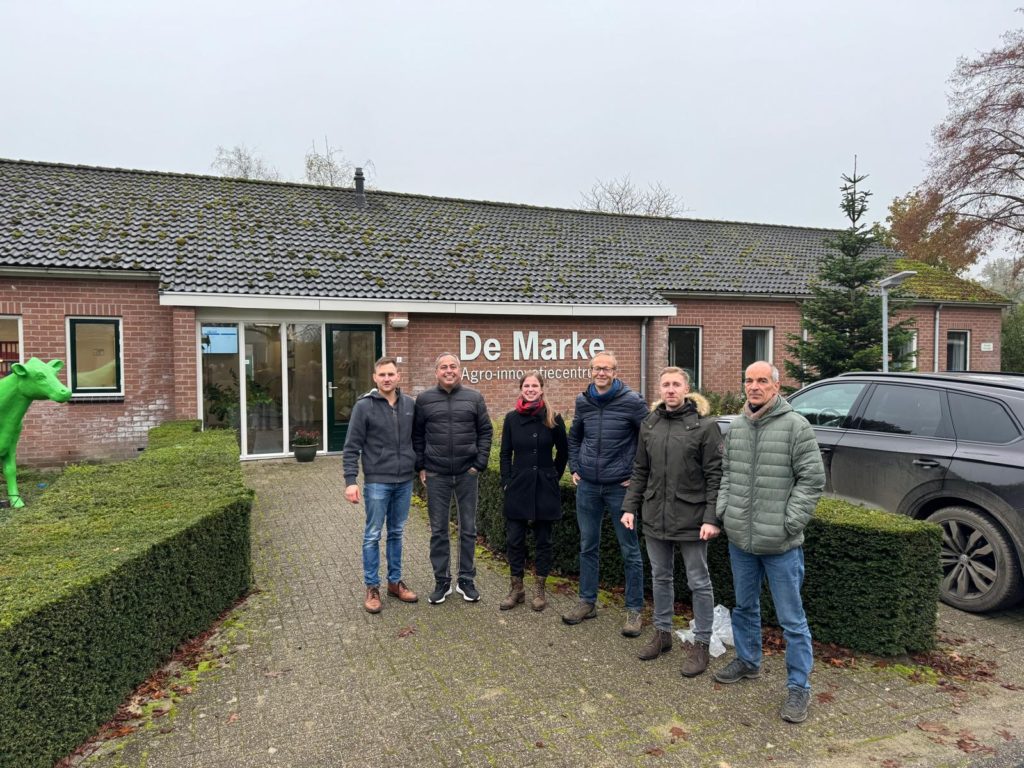
Networking and Dissemination
- The team has taken part in over 10 networking events, conferences, and workshops, raising visibility and building partnerships.
- One open-access scientific publication has been released, ensuring free access to knowledge for researchers and practitioners.
- Communication efforts have gained attention from a broad range of stakeholders, including the scientific community, the construction and paper industries, farmers, and horticulturalists.
Looking Ahead
With significant results already achieved, the project is well on track. Production capacity continues to advance, field trials provide strong scientific evidence of soil health benefits, and international cooperation strengthens the impact. As we move into the next phase, the focus will remain on scaling technology, deepening scientific understanding, and extending outreach to stakeholders across Europe.